Reporting Units
The following colleges, units, and areas have direct reporting lines to the Office of the Provost and Executive Vice President.
Colleges
Carson College of Business
College of Agricultural, Human, and Natural Resource Sciences
College of Arts and Sciences
College of Education, Sport, and Human Sciences
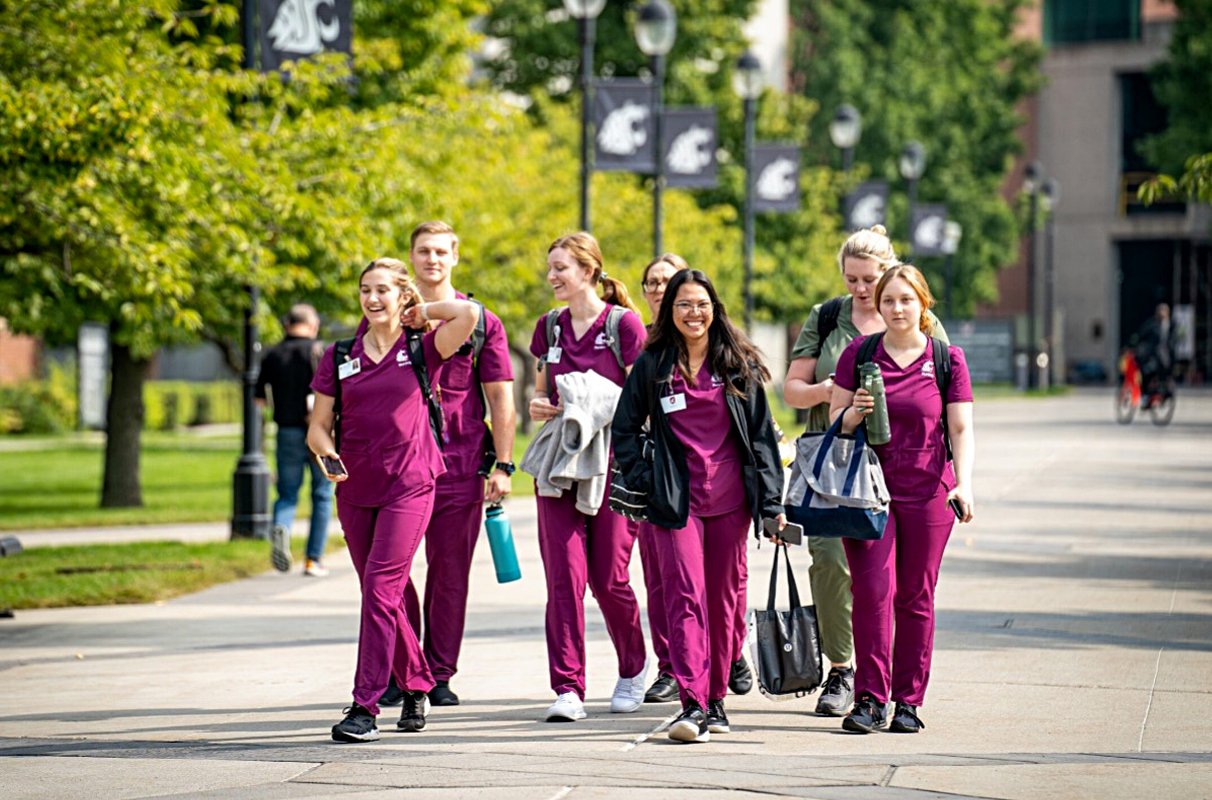
College of Nursing
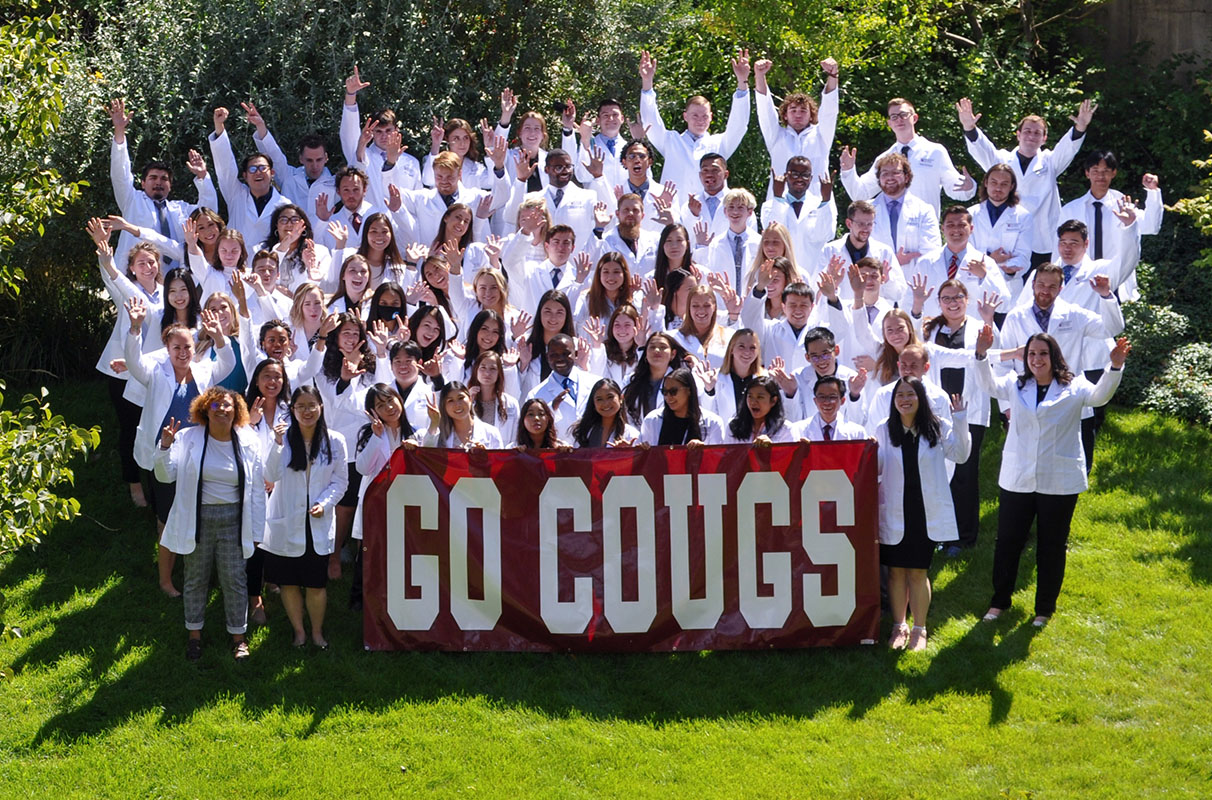
College of Pharmacy and Pharmaceutical Sciences

College of Veterinary Medicine
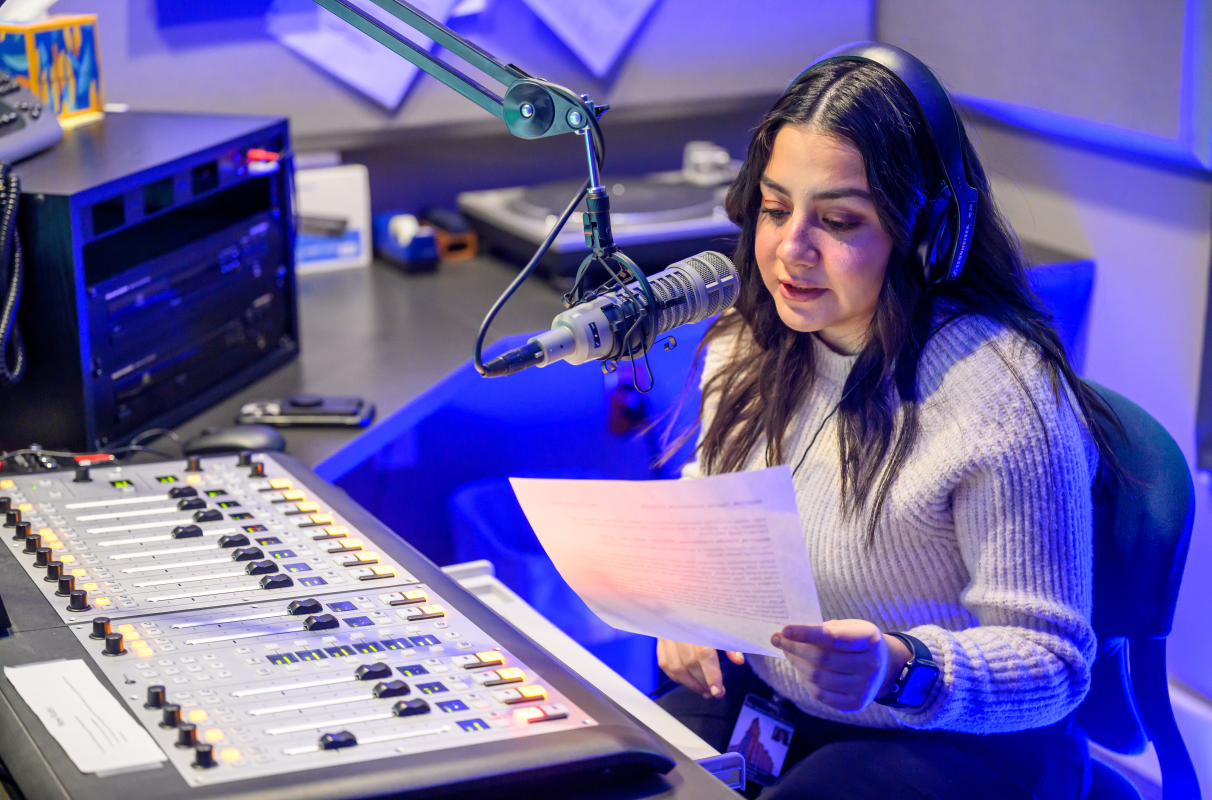
Edward R. Murrow College of Communication
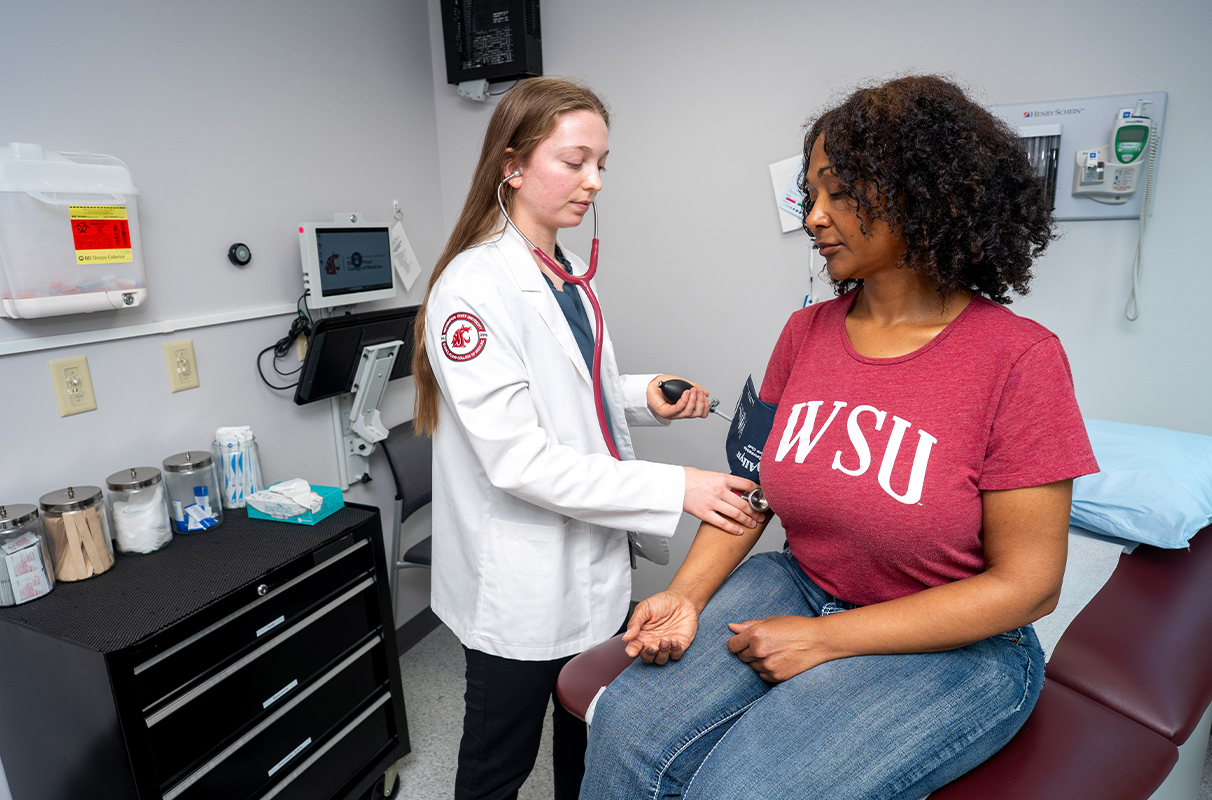
Elson S. Floyd College of Medicine

Honors College
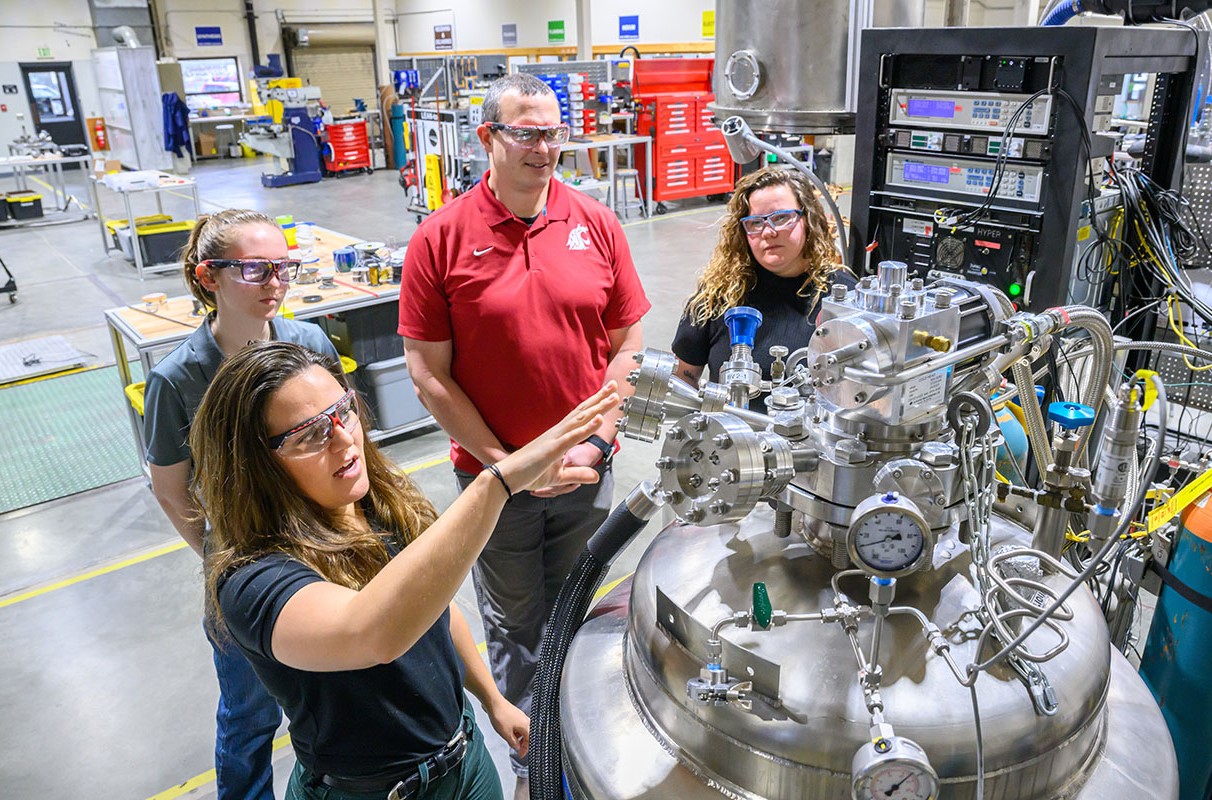
Voiland College of Engineering and Architecture
Division of Academic Engagement and Student Achievement (DAESA)
The Division of Academic Engagement and Student Achievement (DAESA) leads institutional efforts to engage students academically and to provide a high-impact education for all students that culminates in completion of a baccalaureate degree that prepares them for lives of purpose, leadership, and global citizenship.
Formerly the Office of Undergraduate Education, DAESA further seeks to provide a premier educational and transformative experience that prepares students to excel personally and professionally. DAESA programs provide high-impact learning experiences that engage undergraduates from all majors, foster core competencies in learners, and support students through their undergraduate years to graduation. It supports all faculty as they pursue professional development related to undergraduate education. DAESA programs include:
- Office of Academic Engagement (ATLAS, Cougs Rise, Invest in Cougs, Crimson Community Grants, Passport, CSF Achievers, Washington State Opportunity Scholarship)
- Academic Success and Career Center (Academic Advising, Academic Success Coaching, Academic Deficiency and Reinstatement, Career Expo, Career Services, Handshake (student employment portal), Internships, Student Employment, Tutoring, Workshops)
- Office of Assessment of Curricular Effectiveness (formerly the Office of Assessment of Teaching and Learning)
- Distinguished Scholarships Program (mentoring for prestigious, national scholarships)
- First-Year Programs (Common Reading, First-Year Focus living-learning community, Freshman Seminar/UNIV 104)
- UCORE (University Common Requirements (general education))
- Office of Undergraduate Research (SURCA research symposium, research scholarships, NSF-funded REU summer program support, UNIV 199 research skills courses, WSU Research Scholars)
- Writing Program (Undergraduate Writing Center, Graduate Writing Center, Writing Assessment, Junior Portfolio, M-courses/Writing in the Major, Professional Editing Service Center, Writing Across the Curriculum and Writing the Disciplines Program)
Enrollment Management
The Office of Enrollment Management supports Washington State University’s mission by fostering student success, from recruitment through graduation. Collaborating with the academic community, Enrollment Management attracts, admits, orients, enrolls, and provides financial aid for a qualified, richly diverse pool of students. Enrollment Management embraces innovation and values access, affordability, and degree completion.
- Office of Admissions
- Recruitment
- New Student Programs
- Student Financial Services
- Office of the Registrar
- Enrollment Information Technology
Graduate Education
The Graduate School oversees all graduate education at Washington State University, supporting students from admission to degree completion. It provides leadership on graduate academic policy, advances high-quality and inclusive graduate programs, and supports student success through funding opportunities, professional development, mentorship initiatives, and academic support services. Working closely with colleges, departments, and campus partners, the Graduate School ensures rigor, fosters innovation in research and scholarship, and promotes an exceptional graduate student experience across the WSU system.
Institutional Research
Institutional Research supports data-informed decision-making across Washington State University by collecting, analyzing, and reporting key institutional data related to enrollment, student success, academic programs, and operational performance. The office provides analytics, dashboards, and official reporting to state and federal agencies while helping academic and administrative units interpret trends, assess outcomes, and improve planning. Through accurate, accessible data and meaningful insights, Institutional Research strengthens transparency, supports accreditation, and empowers leaders to advance WSU’s mission and strategic priorities.
International Programs
International Programs enable every WSU student to graduate with a rich understanding of different cultures and nations by bringing international students and scholars to our campuses and sending students abroad to advance their studies. We also work with academic institutions, governments, and other organizations worldwide to build strategic partnerships that advance research and discovery.
Jordan Schnitzer Museum of Art WSU
The Jordan Schnitzer Museum of Art WSU (JSMA) is located on the WSU Pullman campus. The museum has a 50-year record of outstanding art exhibitions, supporting a wide range of educational programs, and sharing a substantial collection of works of art with students and visitors. The continuing purpose of the JSMA is to bring the visual arts to students, faculty, and staff of WSU; to the local community, eastern Washington, and the nation. As a major art museum between Seattle and Missoula, the museum is a vital point of art access across the Pacific Northwest. Our core audience is WSU students—and for many of them, the JSMA is the first art museum they have ever visited.
Libraries
As a system, the WSU Libraries is one of two Association of Research Libraries (ARL) in the state, houses over two million books and over 30,000 journal and magazine subscriptions. The Libraries is a part of the Orbis Cascade Alliance and are deeply invested, along with our partner libraries in Oregon, Washington, and Idaho, in the activities of the shared Library Resource Management System. The Orbis Cascade Alliance allows WSU Libraries users access to an additional 28 million items. Media, maps, microforms, government publications, e-books, e-journals, manuscripts, archives, and special collections additionally support WSU’s teaching and research programs. The Libraries also offer additional access to the full text of over 438,812 digital materials, including current journals, books, documents, and more.
Military Branches
Aerospace Studies
WSU collaborates with the Air Force ROTC at the nearby University of Idaho to offer eligible students education and training that lead to commissions as second lieutenants in the U.S. Air Force. Air Force ROTC students may major in any degree program offered at Washington State University. They supplement their major curriculum with specialized aerospace studies courses to prepare for active commissioned service.
Military Science
The Department of Military Science is the formal designation of the Army ROTC program at Washington State University. It is designed to educate, train, and motivate qualified students to serve as commissioned officers in the U.S. Army upon graduation. The military science department offers academic, professional, and technical education and training that complements the educational programs and goals of WSU.
Naval Science
The Navy-Marine Corps Officer Education Program, administered and taught by the NROTC staff at the University of Idaho, is open to men and women and offers scholarships leading to commissions in the U.S. Navy and Marine Corps.
Native American Programs
WSU’s Native American Programs work to increase Native American student recruitment and retention, and also coordinate with tribes to promote initiatives on the WSU campus that benefit Native students and encourage responsible research and interaction with tribes.
In November of 1997, WSU entered into a Memorandum of Understanding with nine Columbia Plateau tribes to create the Plateau Center for Native American Programs. Through a Native American Advisory Council to the Provost, the Center advises the Provost on projects related to Native Americans, encouraging appropriate and responsive interaction with the tribes. Recognizing the sovereign and unique status of each tribe, WSU is committed to educational dialogue and collaboration with the tribes built on partnership and respect.
Student Affairs
Student Affairs at WSU is committed to creating opportunities for all Cougs to learn, lead, and grow. They provide programs and services centered on whole-person wellness, leadership, and civic engagement that help students discover their path. Student Affairs encumbers student access and opportunity, housing, residence life, dining, engagement, student health, community standards, recreation, and the Dean of Students.
University Ombuds
The primary purpose of the Office of the University Ombuds is to protect the interests, rights, and privileges of students, staff, and faculty at all levels of university operations and programs. The ombuds is designated by the university to function as an impartial and neutral resource to assist all members of the university community. The ombuds provides information relating to university policies and procedures and facilitates the resolution of problems and grievances through informal investigation and mediation. The office does not replace or supersede other university grievances, complaint, or appeal procedures.
William D. Ruckelshaus Center
The mission of the William D. Ruckelshaus Center is to help parties involved in complex public policy challenges in the State of Washington and the Pacific Northwest tap university expertise to develop collaborative, durable, and effective solutions.
The Center is a joint effort of Washington State University (hosted and administered by the Office of the Provost) and the University of Washington (hosted by the Daniel J. Evans School of Public Policy and Governance). Building on the unique strengths of these two institutions, the Center applies university resources and knowledge towards solving challenging public policy issues.